
THE VINEYARD
& ORCHARD
An expression of terroir, where mountain altitude and mineral soils conspire to create something singular
Living Landscape
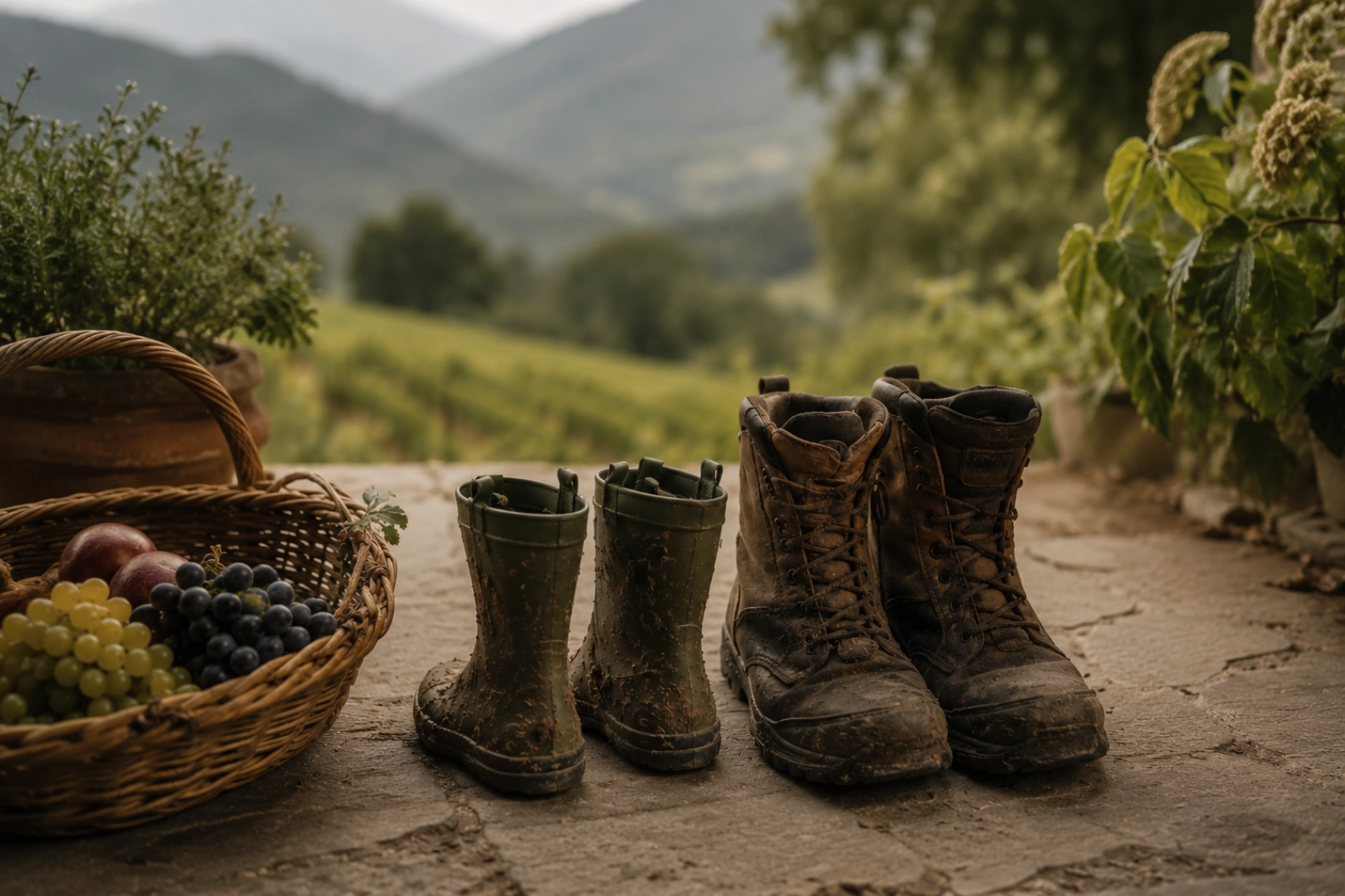
This is not ornamental agriculture. This is not a decorative backdrop for leisure. The vineyard and orchard at Raht Juneo are working landscapes—breathing, changing, demanding daily attention and yielding seasonal bounty.
Each vine, each tree exists as part of an intricate conversation between elevation, soil composition, microclimate, and human stewardship. The land teaches patience. It enforces humility. It rewards attention with fruit that carries the mountain’s mineral signature, the season’s weather narrative, the vintner’s restraint.
“We do not conquer the land. We collaborate with it. Every harvest is negotiation, every vintage a testament to what the hillside chose to offer that year.”
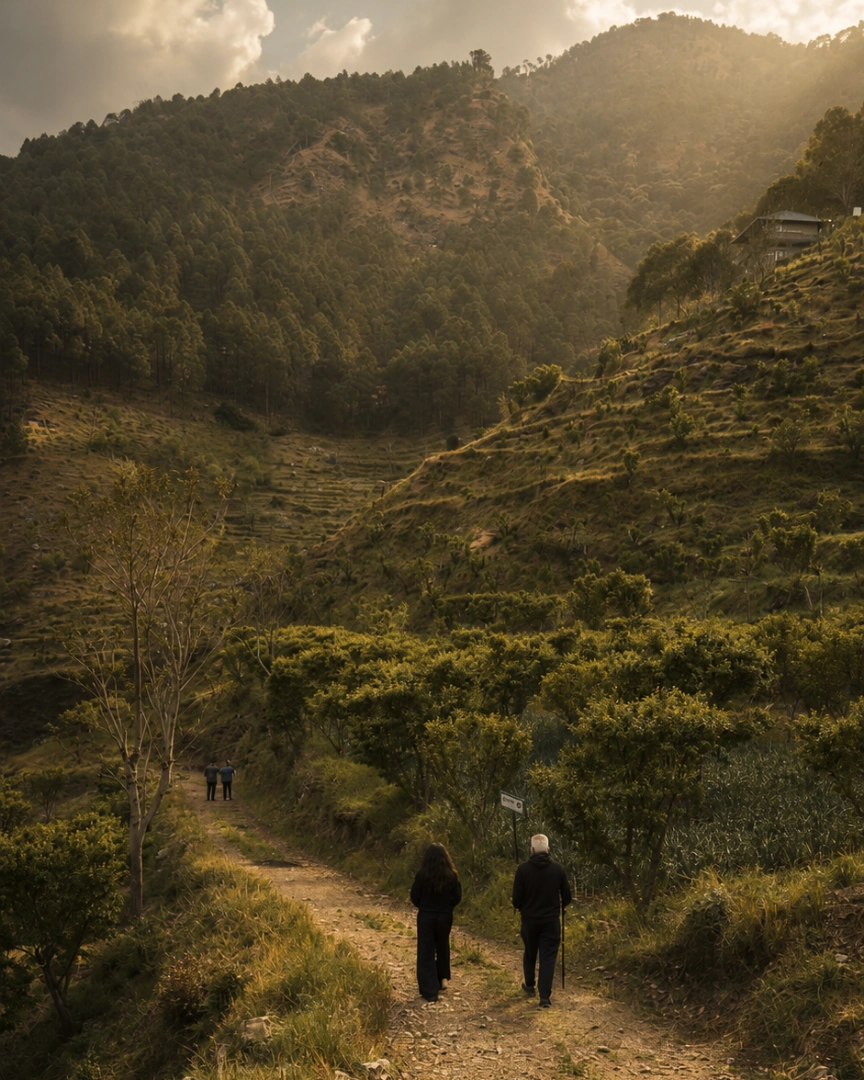
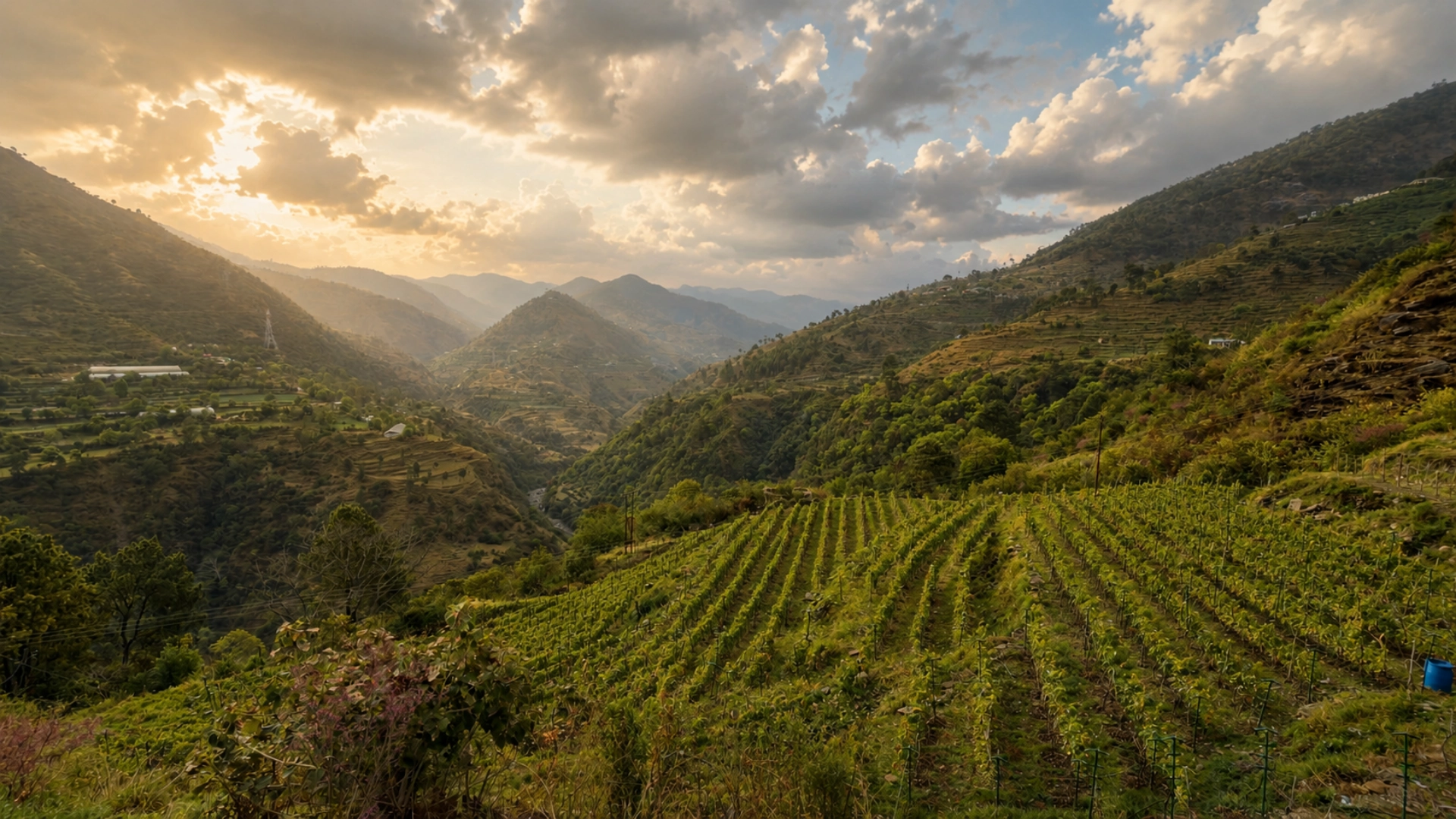
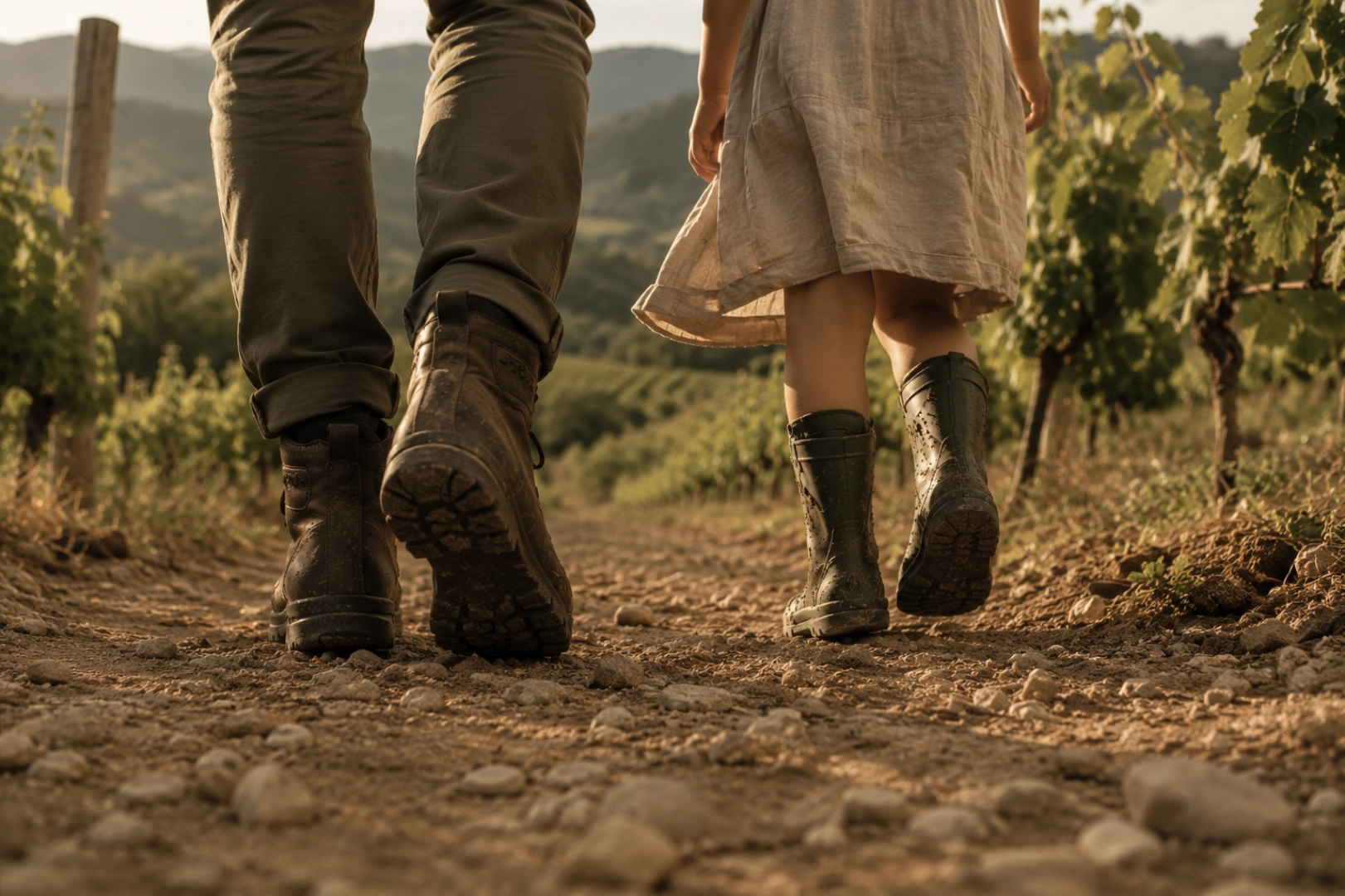
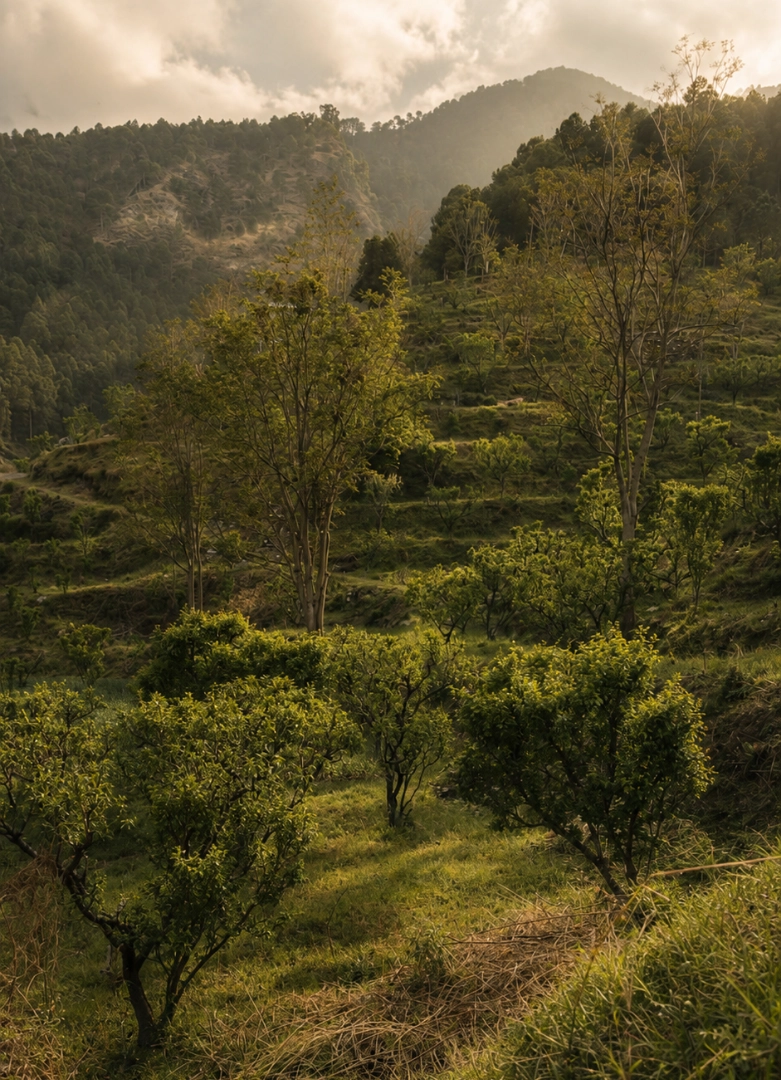
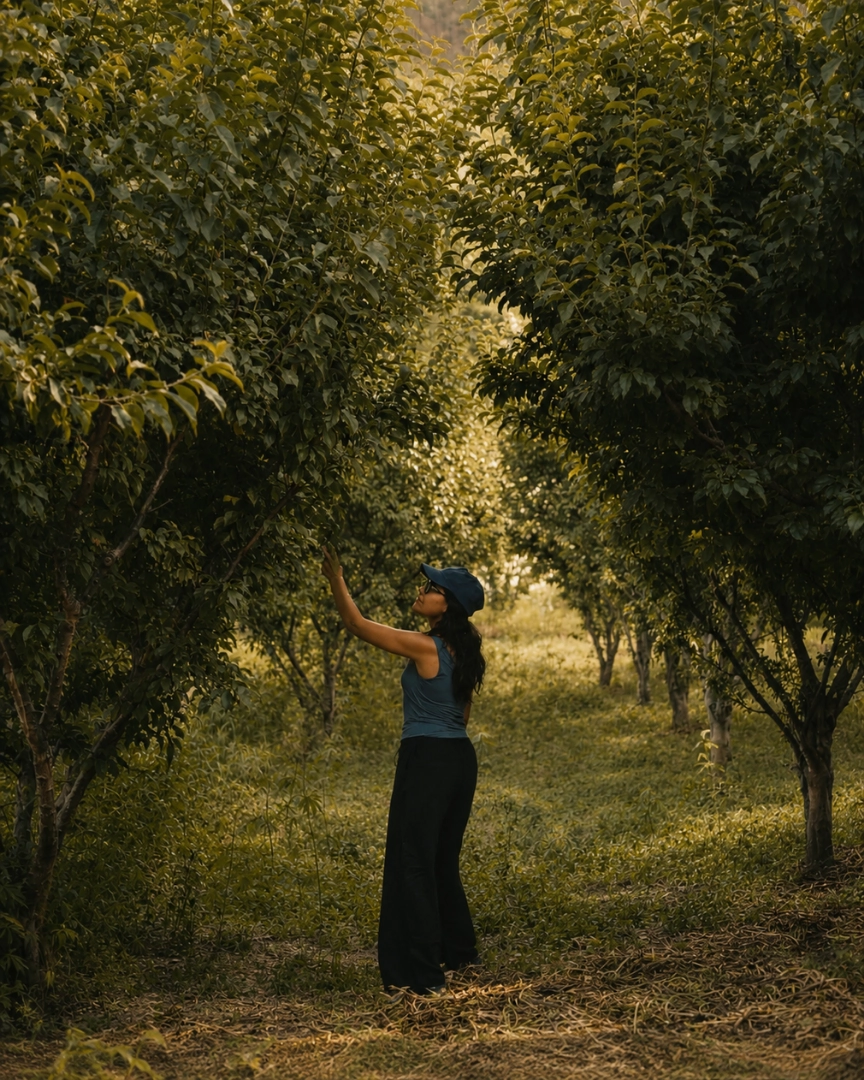
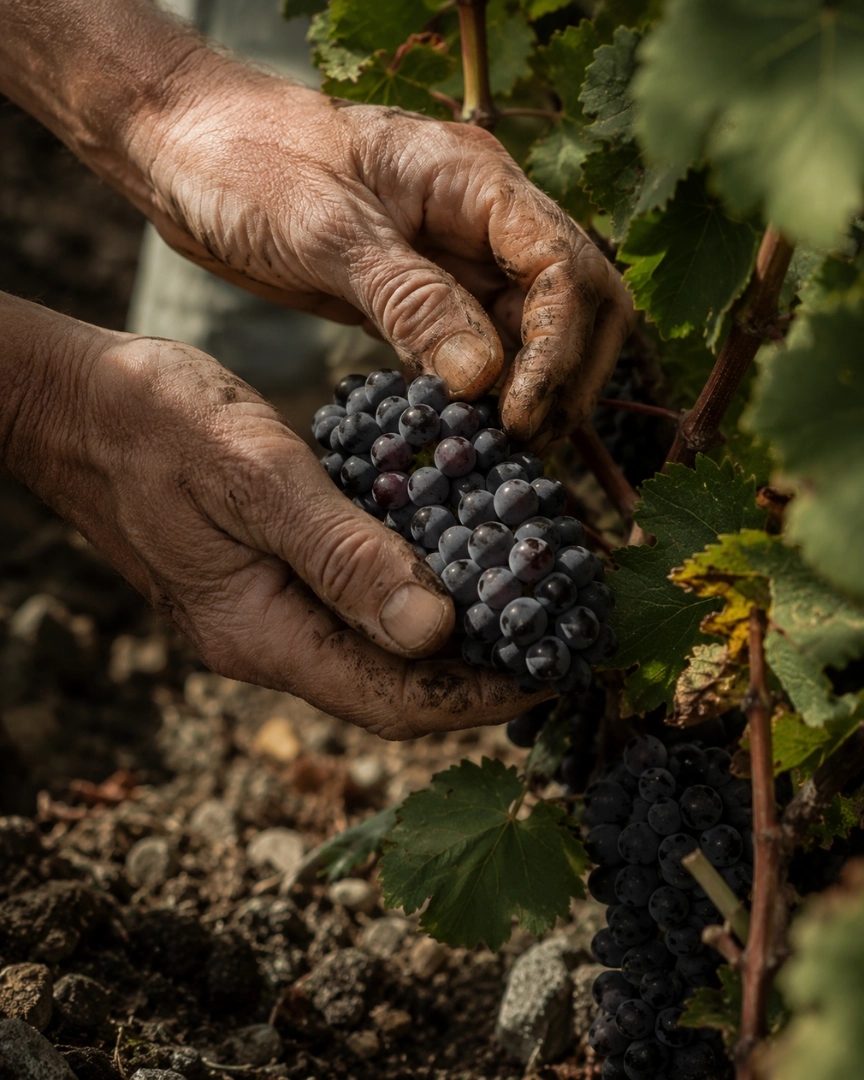
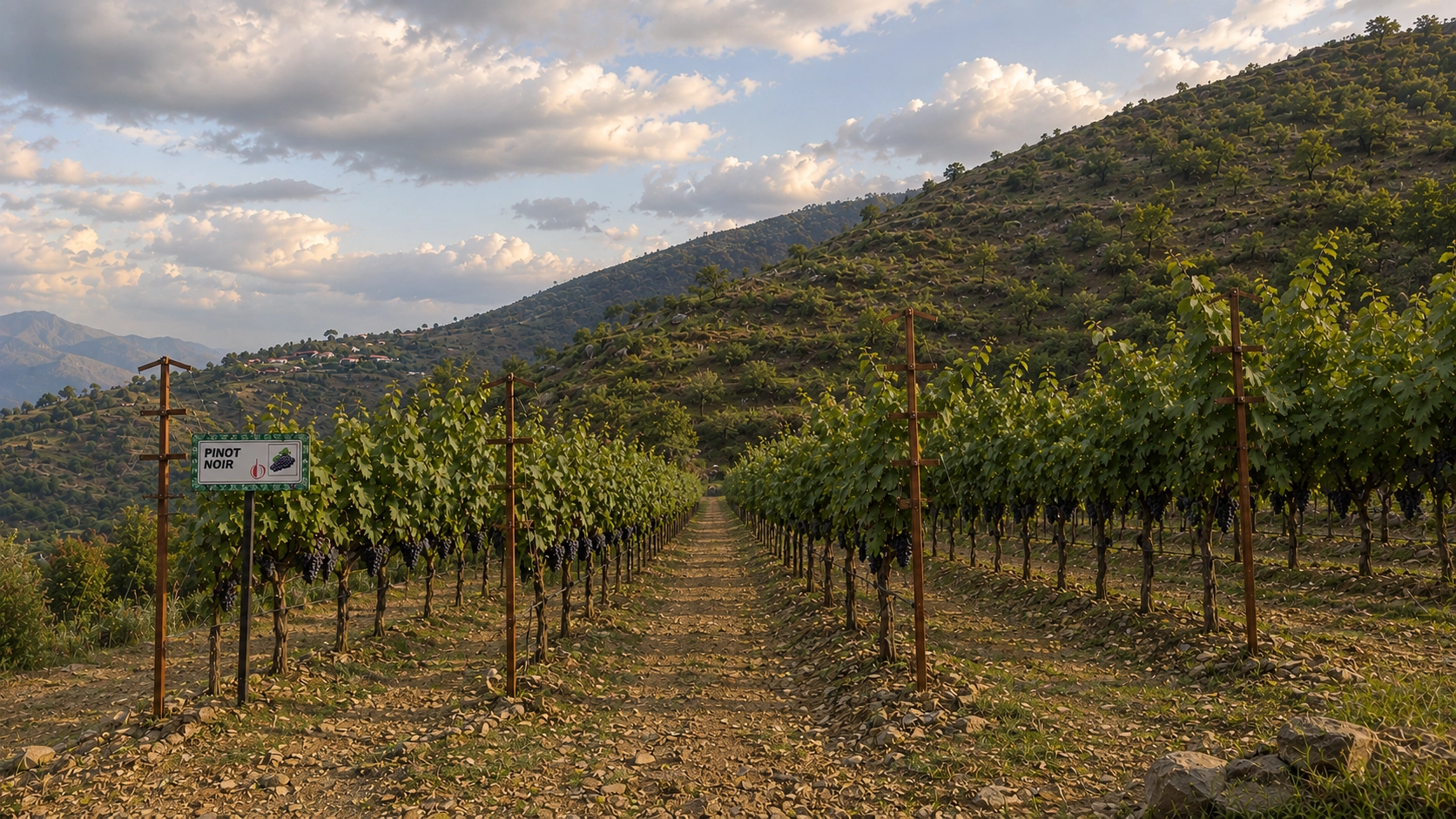
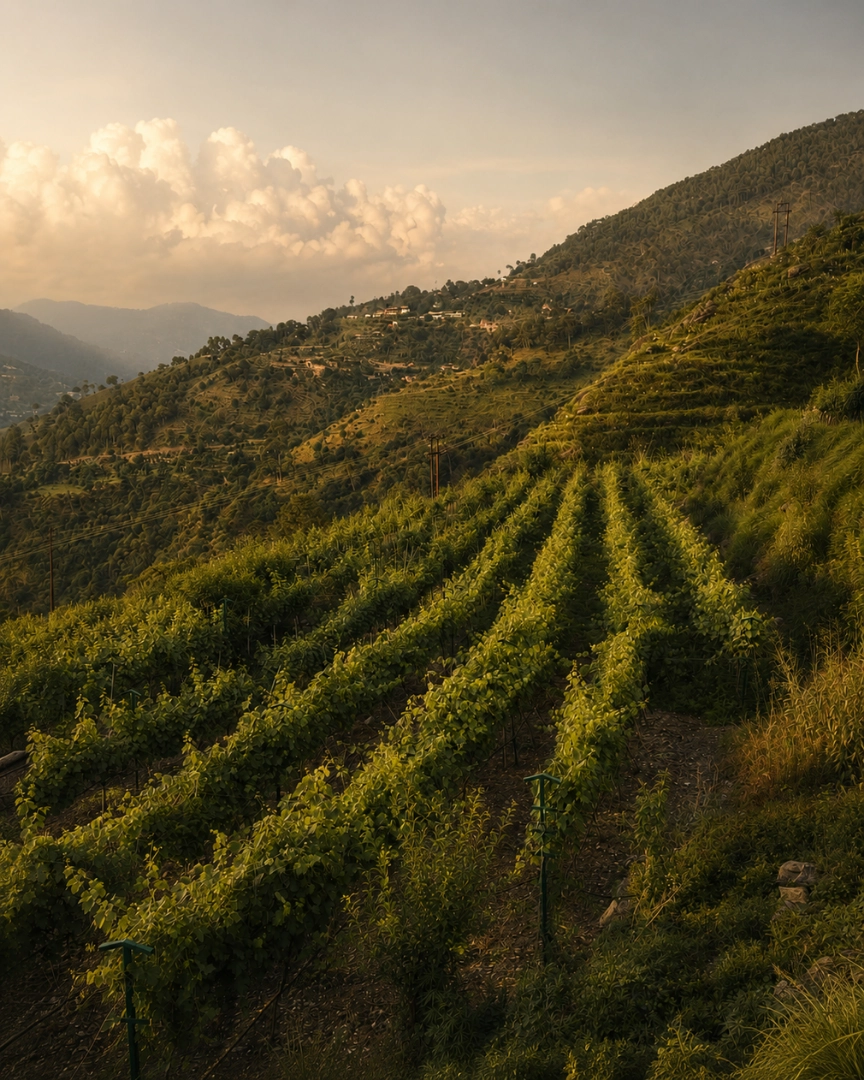
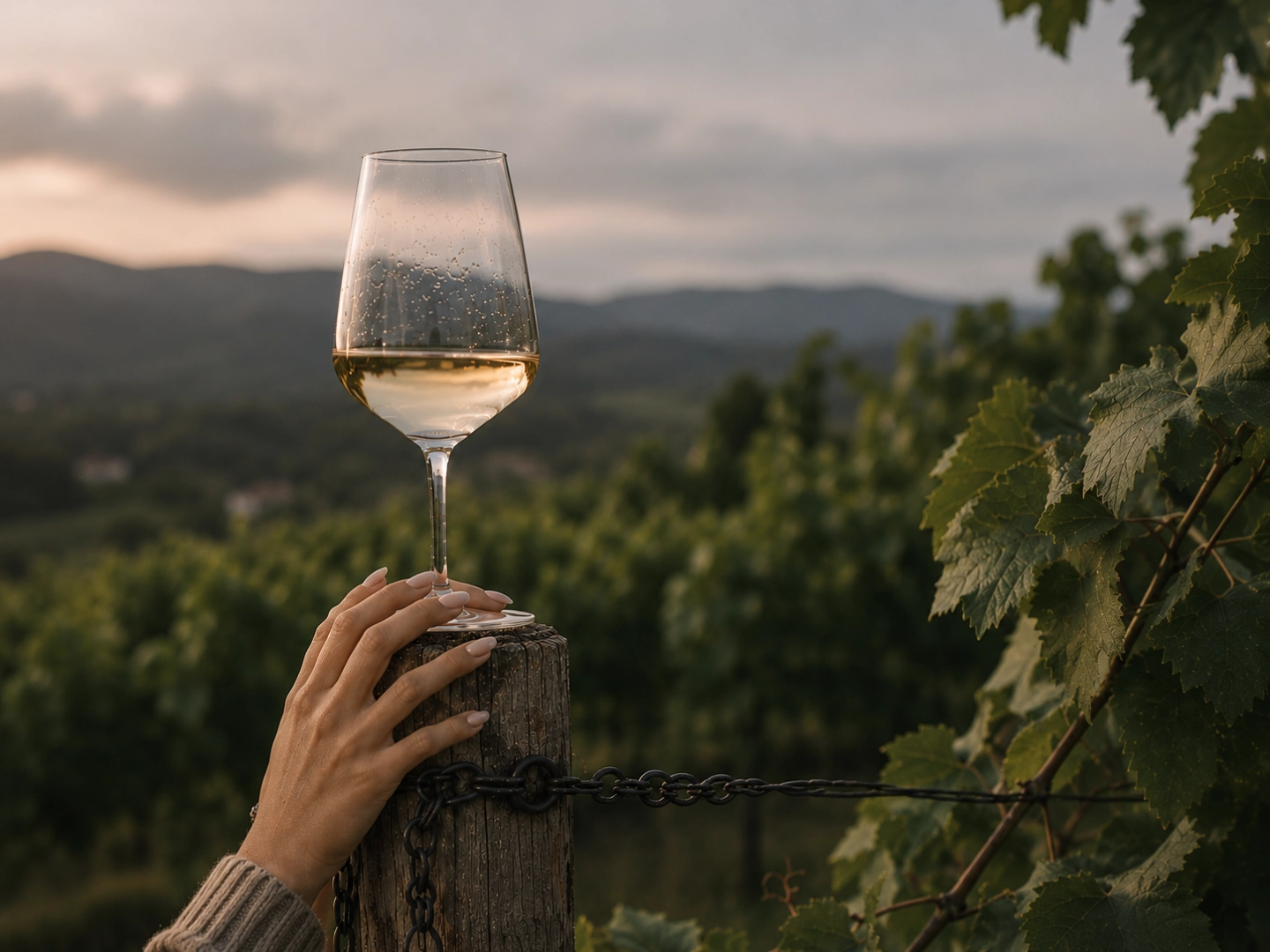
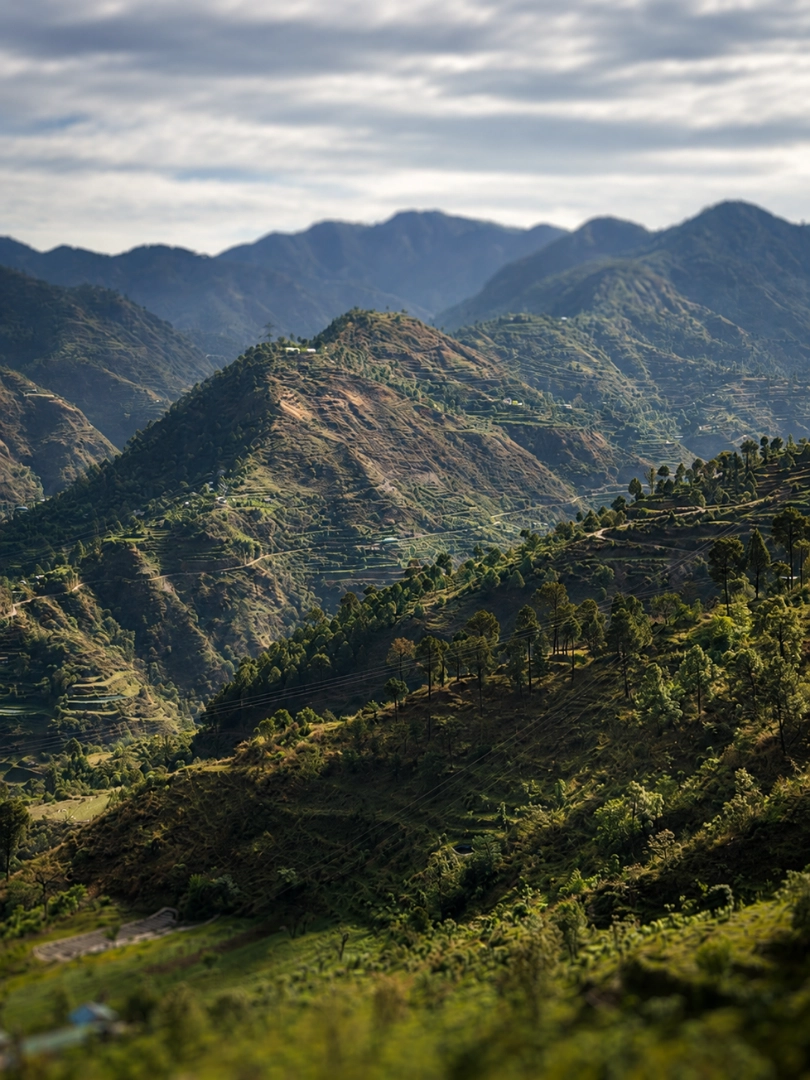
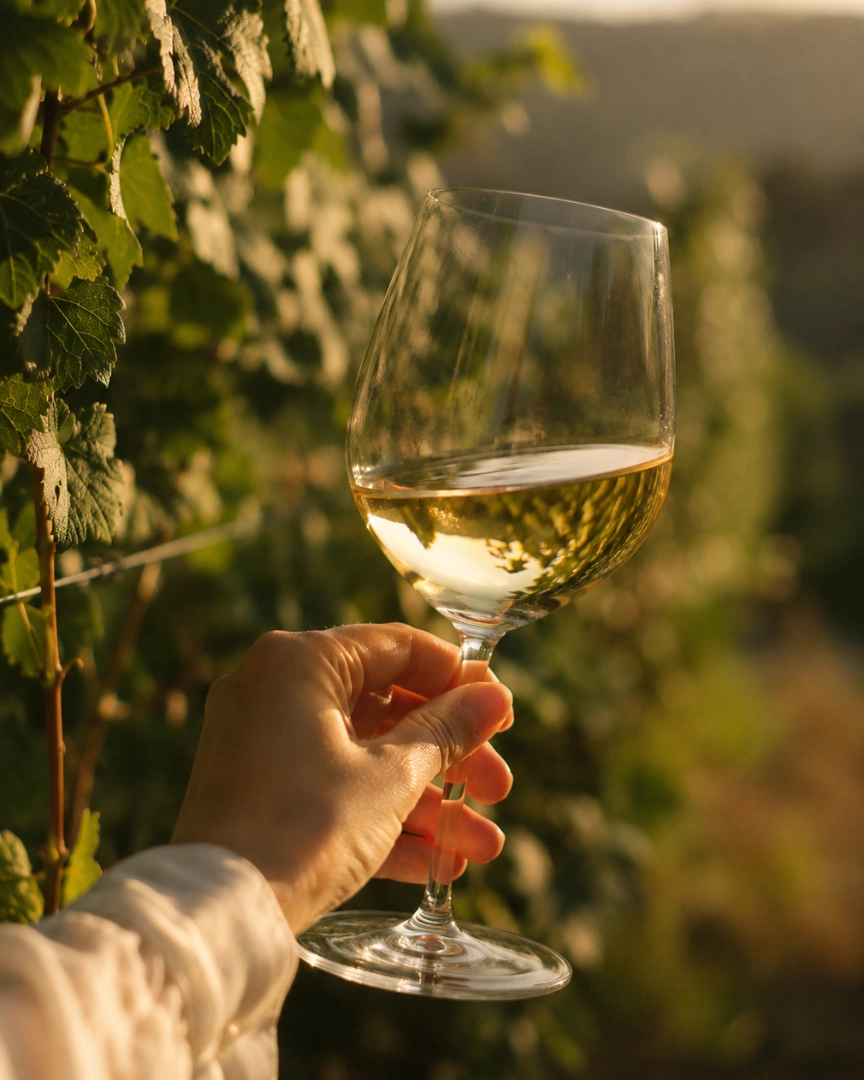
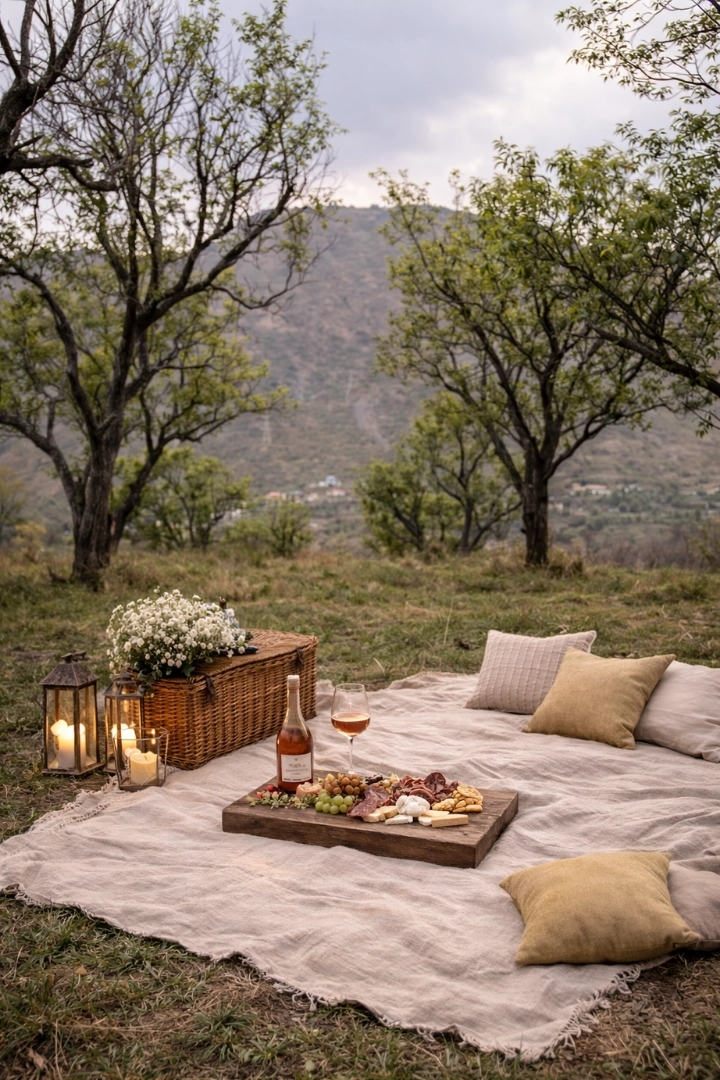
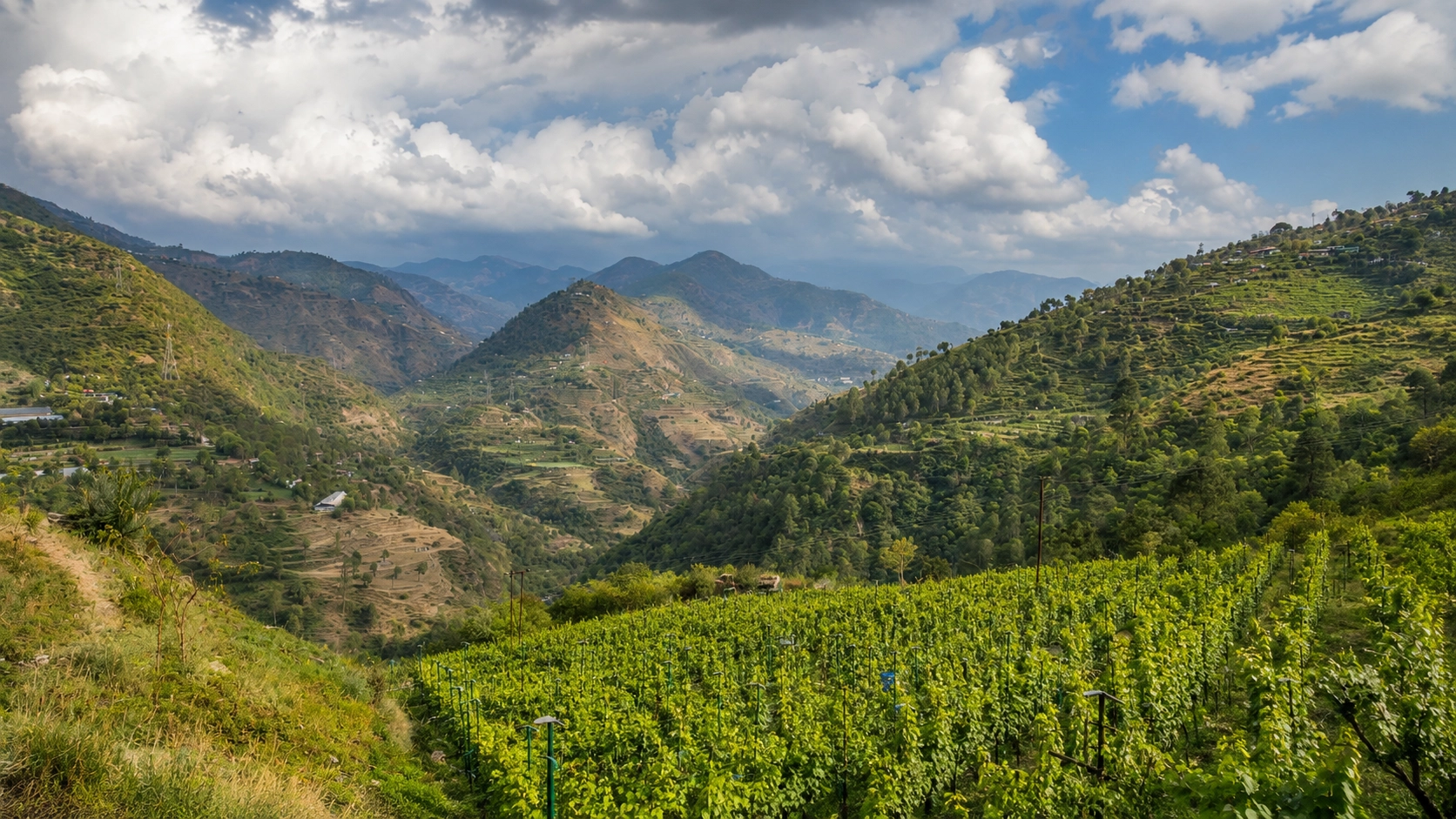
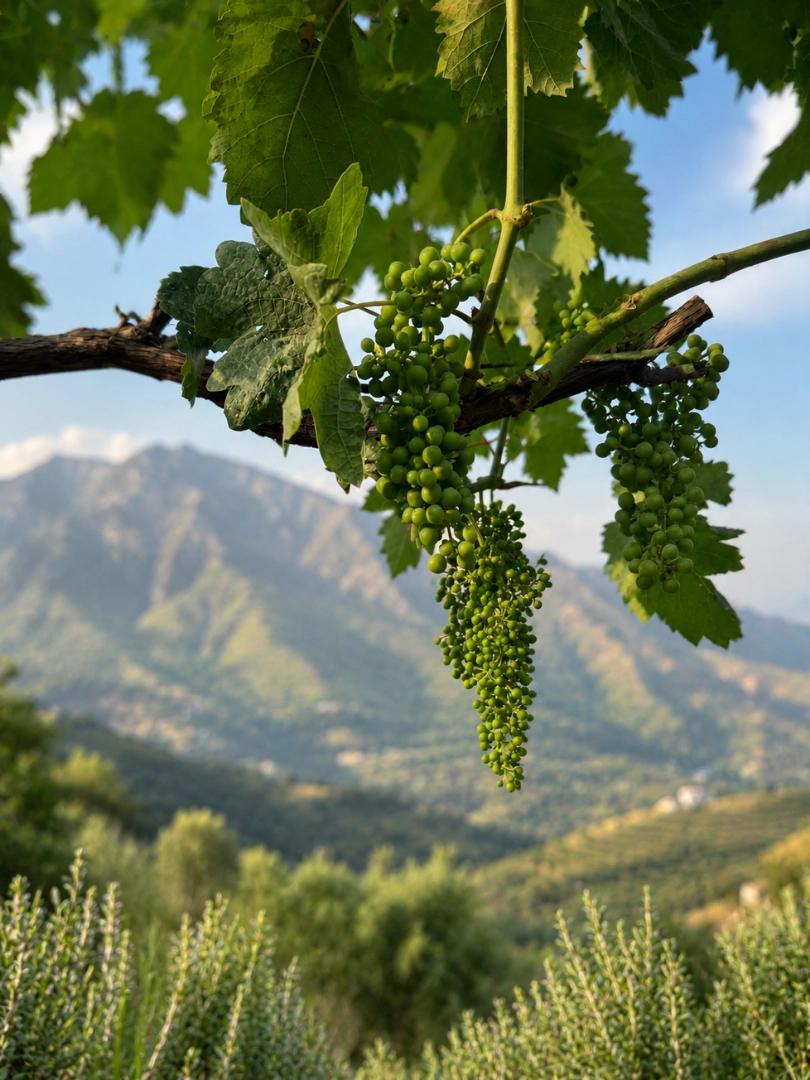
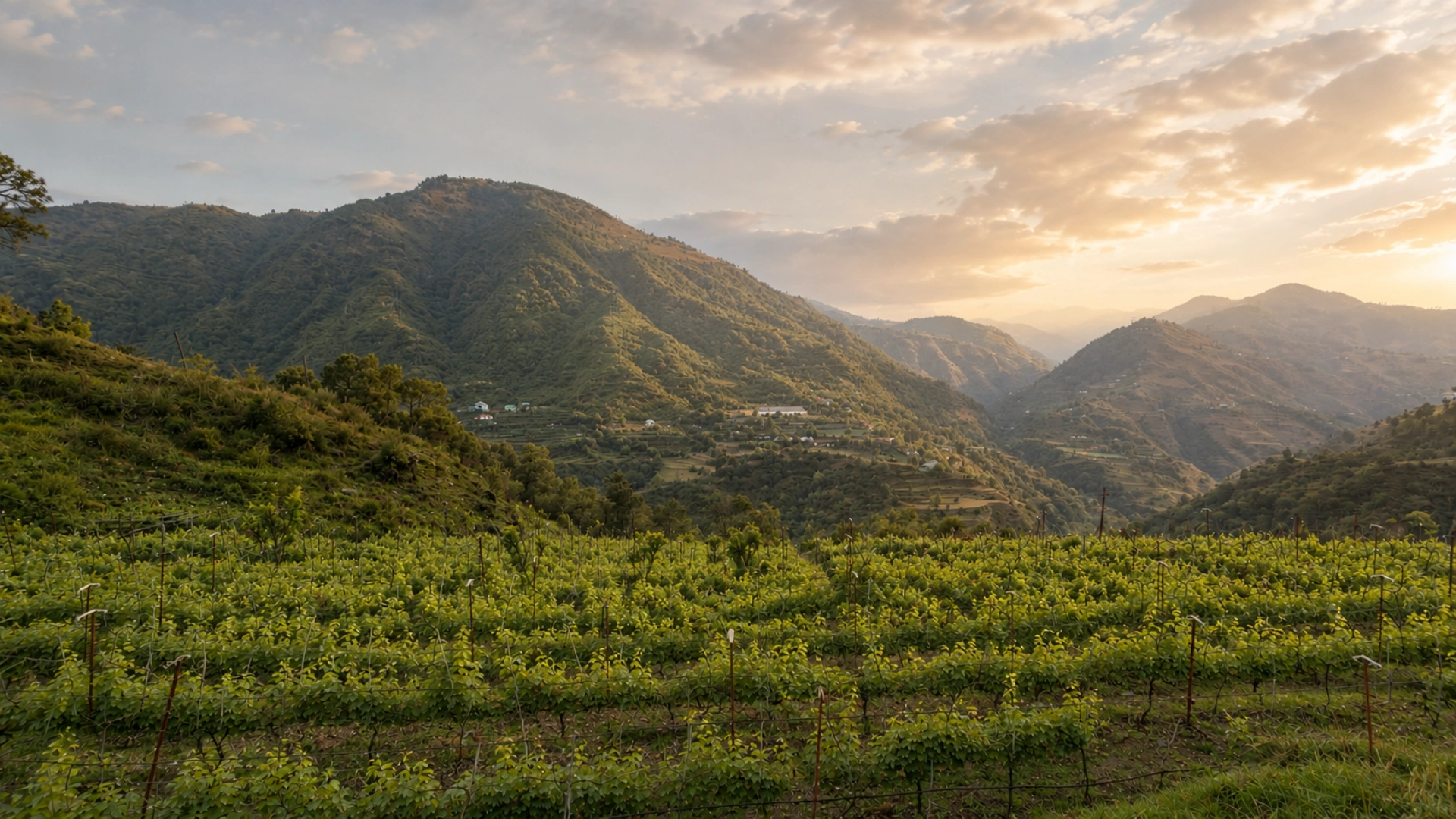
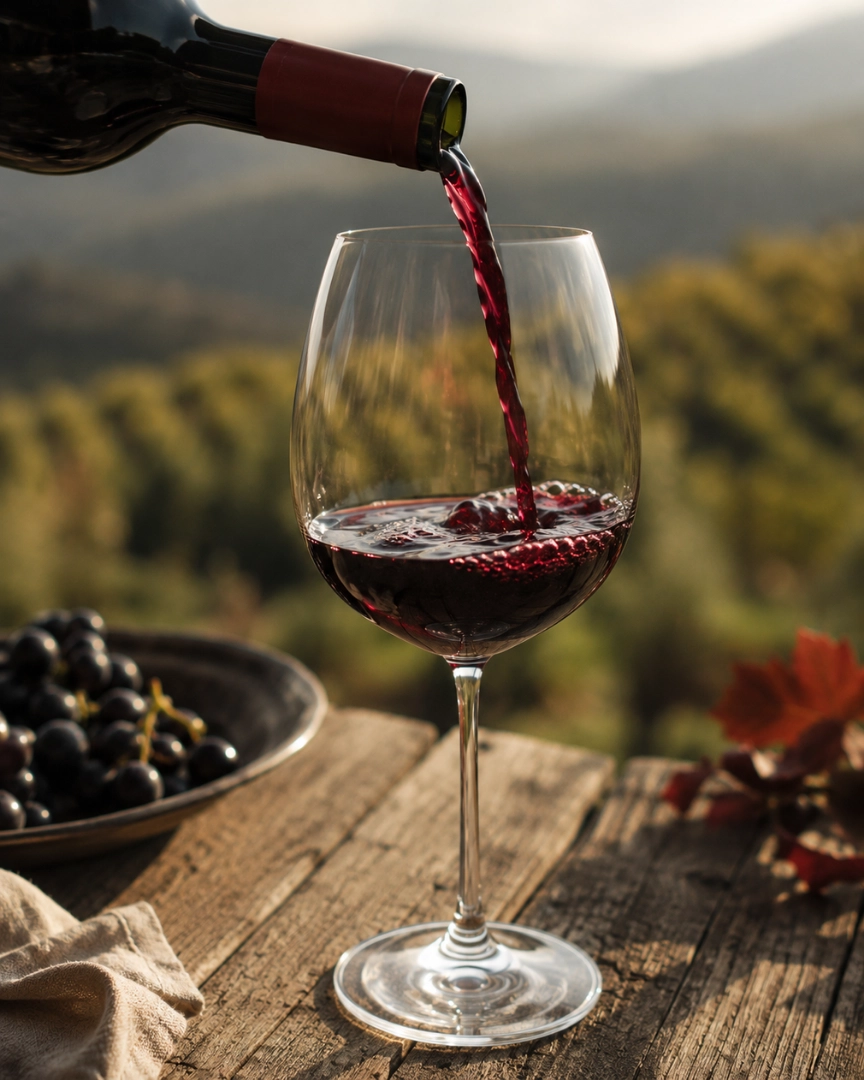
The Vineyard - Experience the French Grapes in Himachal
Four varietals, each chosen for their affinity with altitude, their tolerance for Himalayan temperature swings, their capacity to express this particular terroir
HARVEST PERIOD: LATE JUNE – EARLY JULY
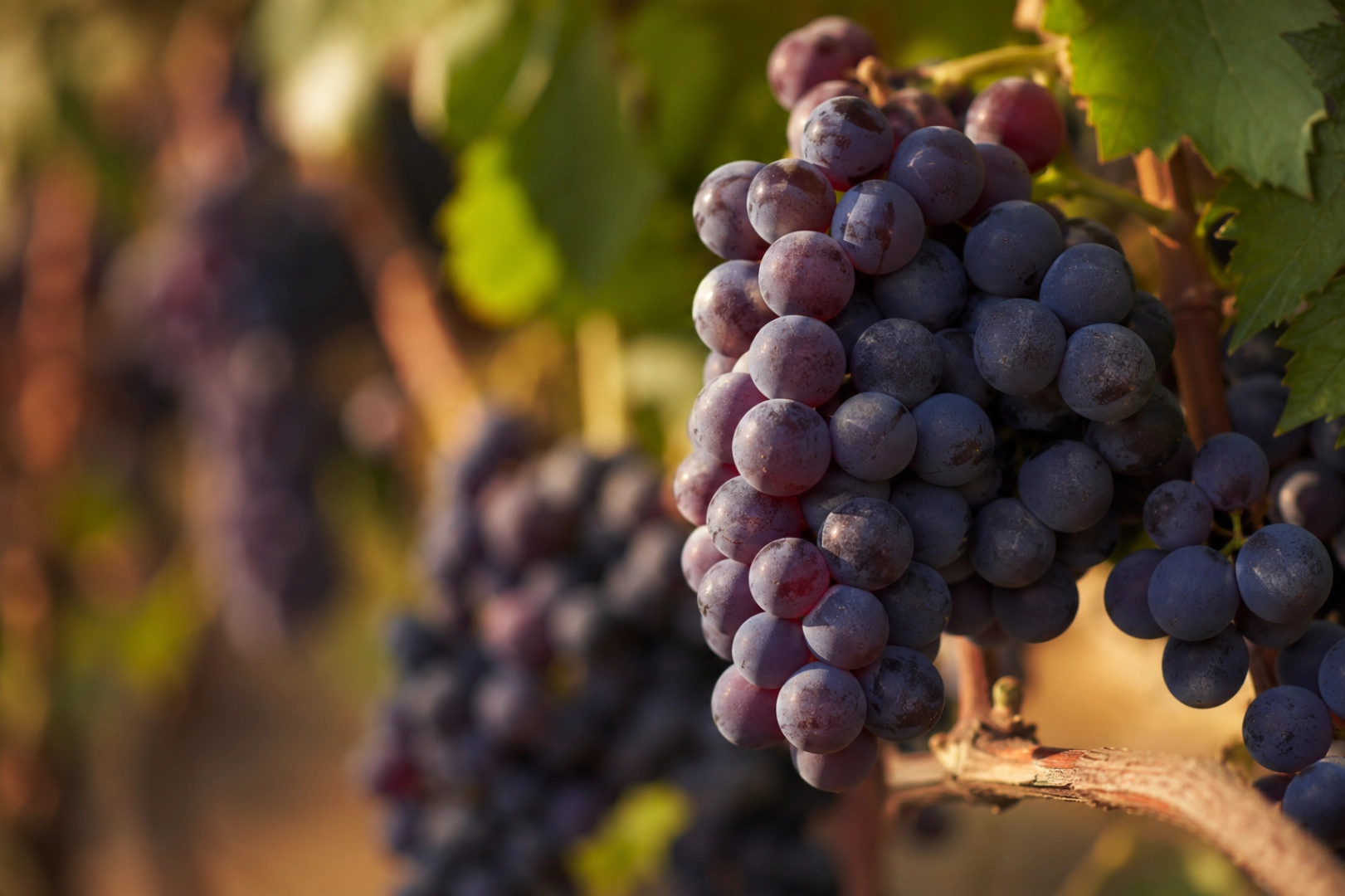
Tempranillo
Structured resilience born of elevation and stone a meditation in each glass
Spain’s noble grape finds unexpected eloquence in Himalayan foothills. Here, cool nights preserve acidity while extended growing seasons allow phenolic ripeness rarely achieved in its native Rioja. The result: wines of remarkable structure and age-worthiness.
CHARACTER PROFILE
Dark cherry, leather, mineral undertones, persistent tannins
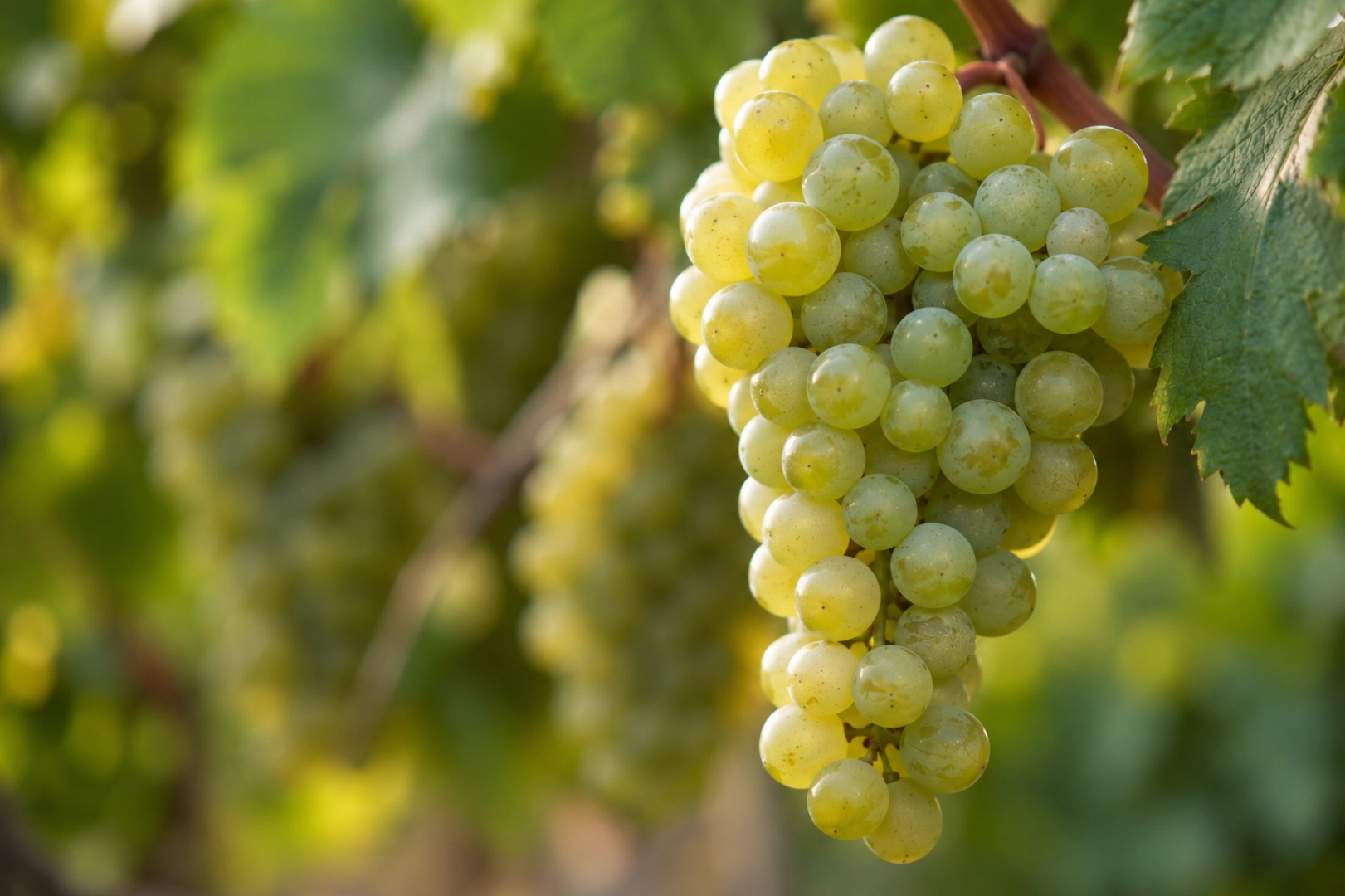
Sauvignon Blanc
Crystalline precision morning mist captured the vineyard’s first light
Altitude grants this varietal the aromatics of Sancerre with the textural weight of higher-elevation New Zealand sites. Morning fog from the valley below, afternoon sun on south-facing slopes—the diurnal temperature variation creates complexity in the glass.
CHARACTER PROFILE
Gooseberry, wet stone, citrus blossom, razor-sharp acidity
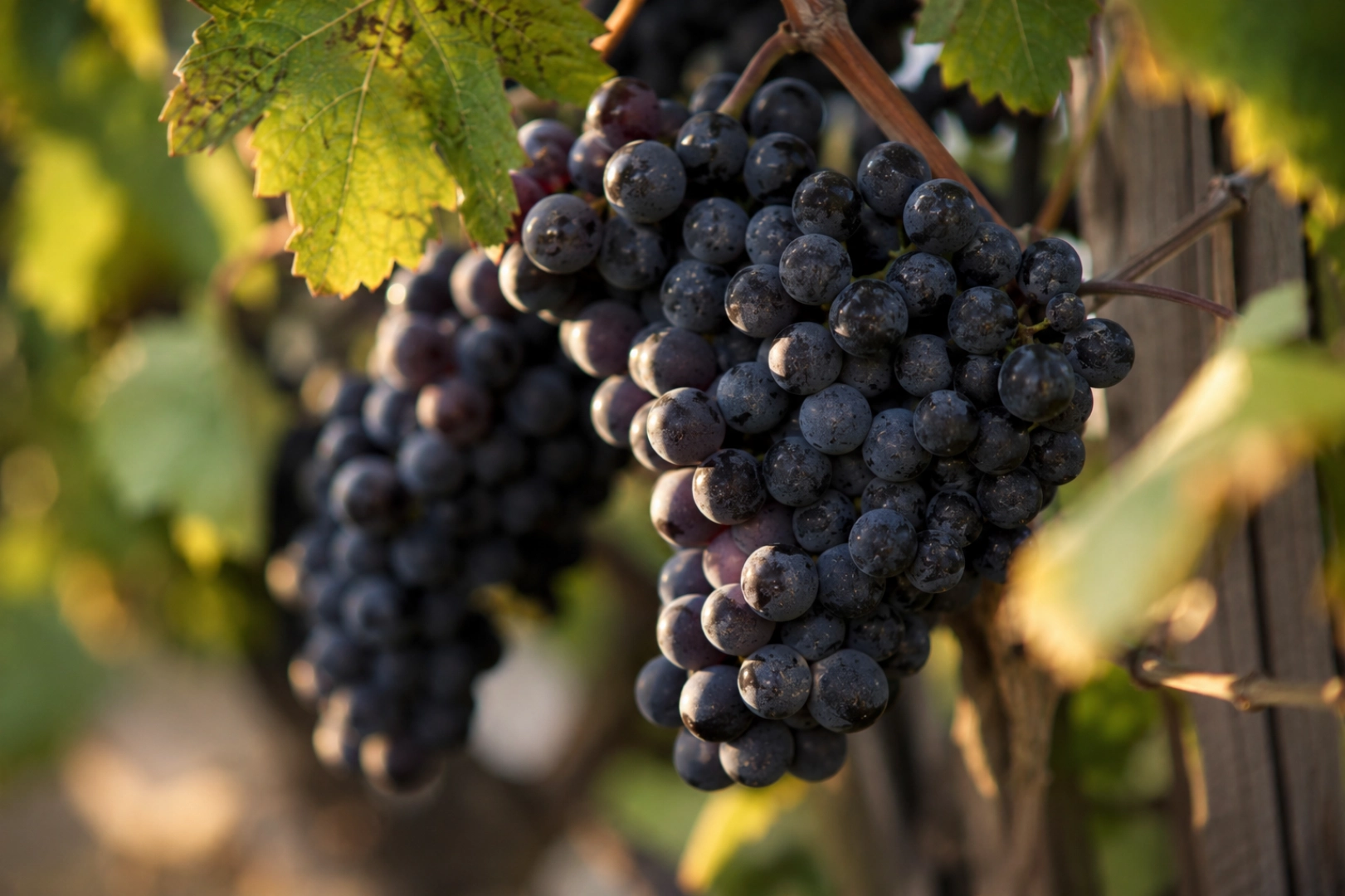
Pinot Noir
Ethereal complexity twilight translated to terroir whispered notes of earth
The most transparent varietal—a truthful messenger of site. Our limestone-rich slopes and significant elevation produce Pinot of haunting delicacy, more Burgundian in spirit than New World in exuberance. This grape demands everything and forgives nothing.
CHARACTER PROFILE
Wild strawberry, forest floor, rose petal, silk tannins
Chardonnay
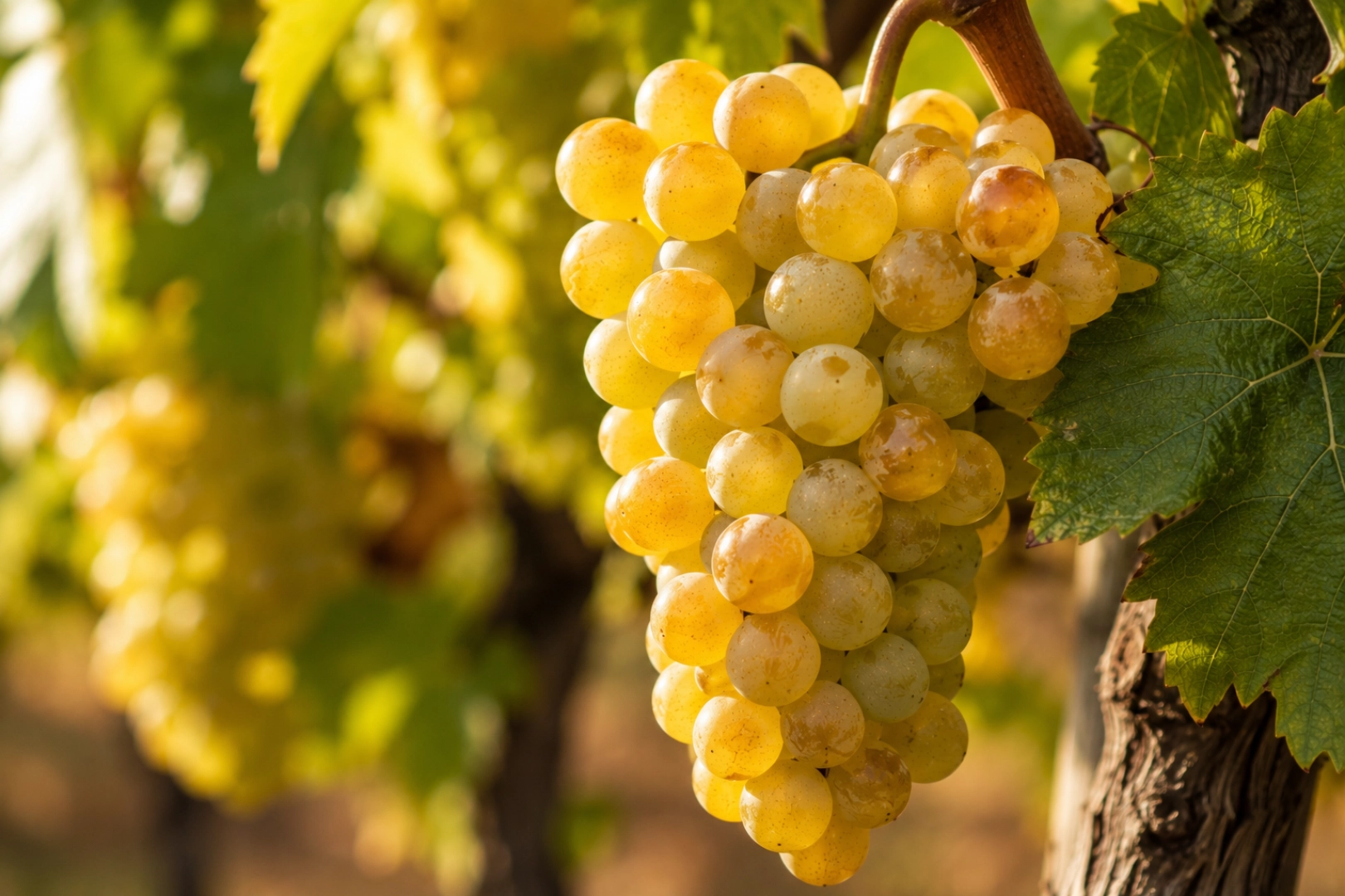
Luminous composure sun on limestone slopes time held in suspension
Our approach eschews heavy oak in favor of neutral barrels and extended lees contact. The goal: to showcase the grape’s inherent mineral character, the site’s limestone influence, the vintage’s particular weather signature. Restraint as philosophy.
CHARACTER PROFILE
White peach, hazelnut, chalky minerality, precise acidity
Understanding Terroir
The French word “terroir” has no direct English equivalent. It encompasses soil, slope, sun exposure, rainfall patterns, elevation, wind corridors, and the accumulated agricultural wisdom of generations who worked this land before us.
At Raht Juneo, our terroir is defined by:
Limestone-dominant soils that impart mineral complexity and natural pH balance. South and southwest-facing slopes that maximize sun exposure while allowing cold air to drain into the valley below. Elevation between 1,100 and 1,300 meters—high enough for diurnal temperature variation, protected enough from extreme weather.
Proximity to the Giri River creates morning fog that moderates temperature extremes and extends the growing season. The Shivalik microclimate—distinct from both Punjab plains and higher Himalayan regions—offers conditions found nowhere else in India.
~1,300m
AVERAGE ELEVATION
15°C
DIURNAL SHIFT
180
GROWING DAYS
7.2
SOIL PH
The Heritage Orchard
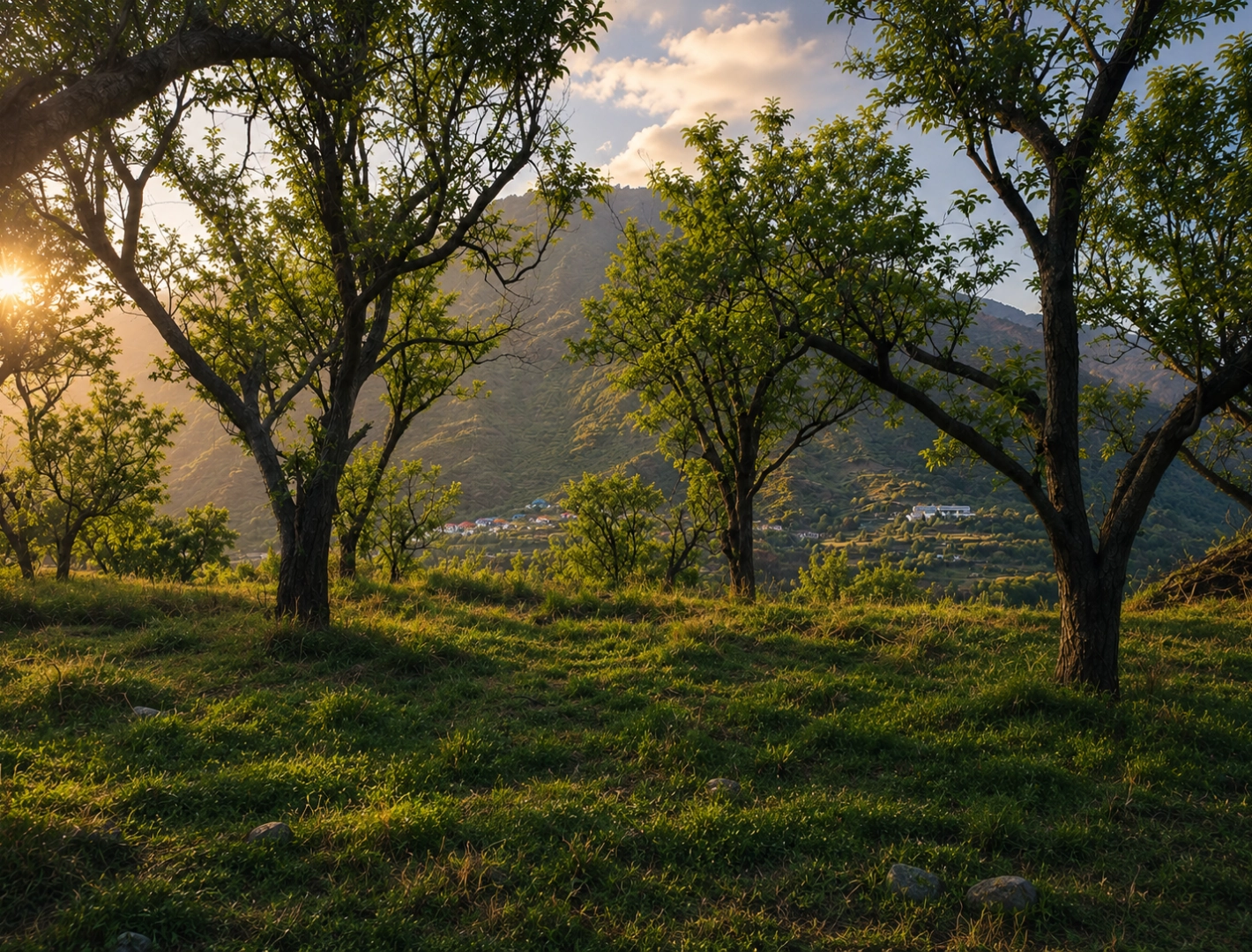
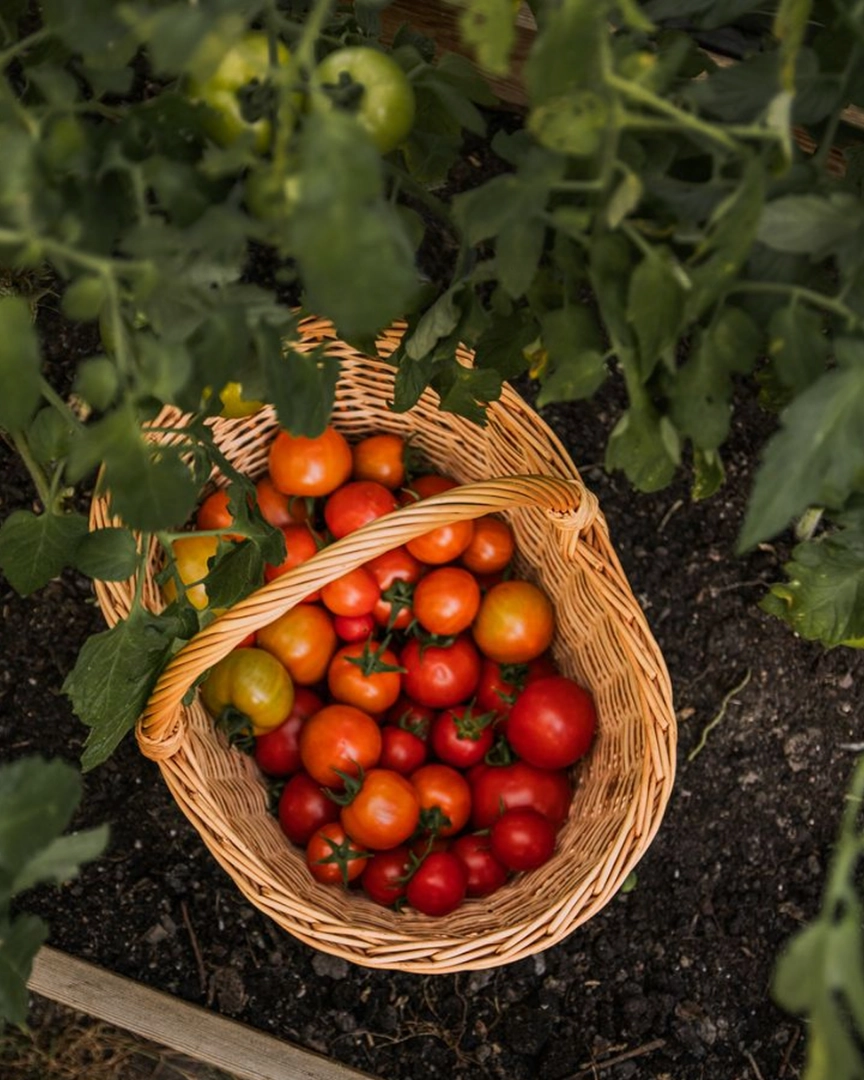
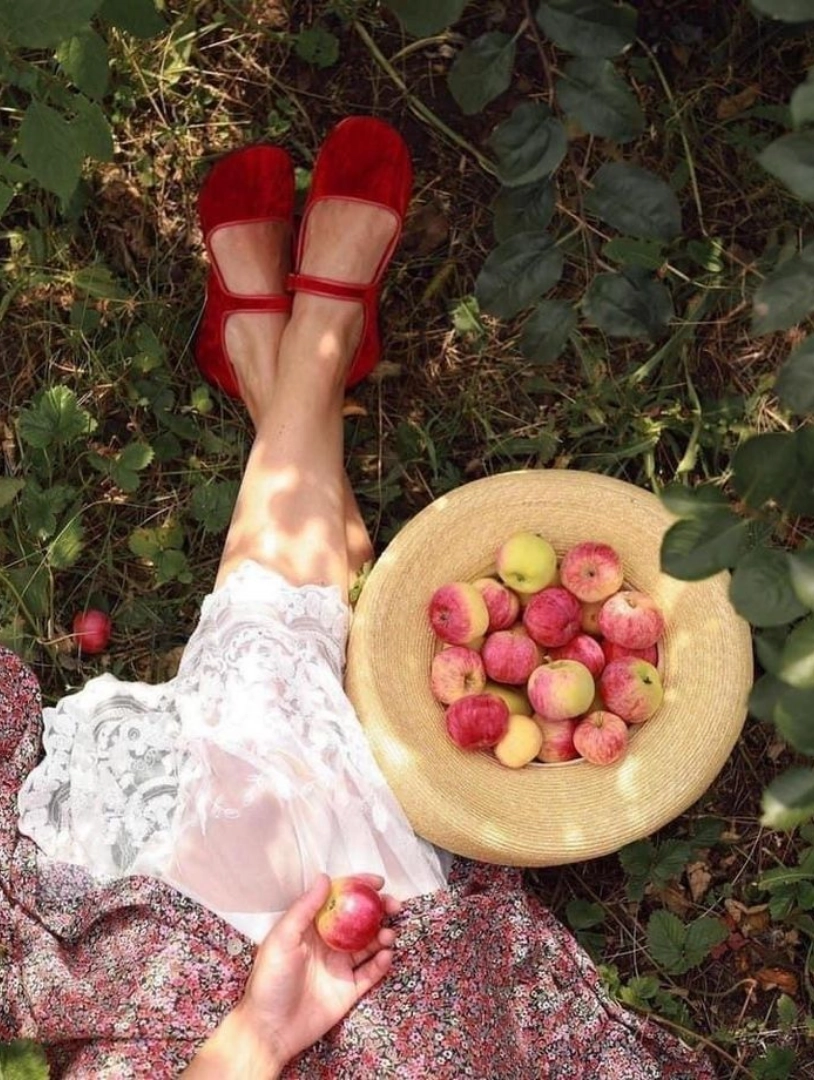
Beyond the vineyard rows lie the fruit trees—some planted generations ago, others recent additions to diversify the estate’s seasonal offerings. These are not commercial orchards but heritage plantings, varieties chosen for flavor rather than shelf life, for character rather than uniformity.
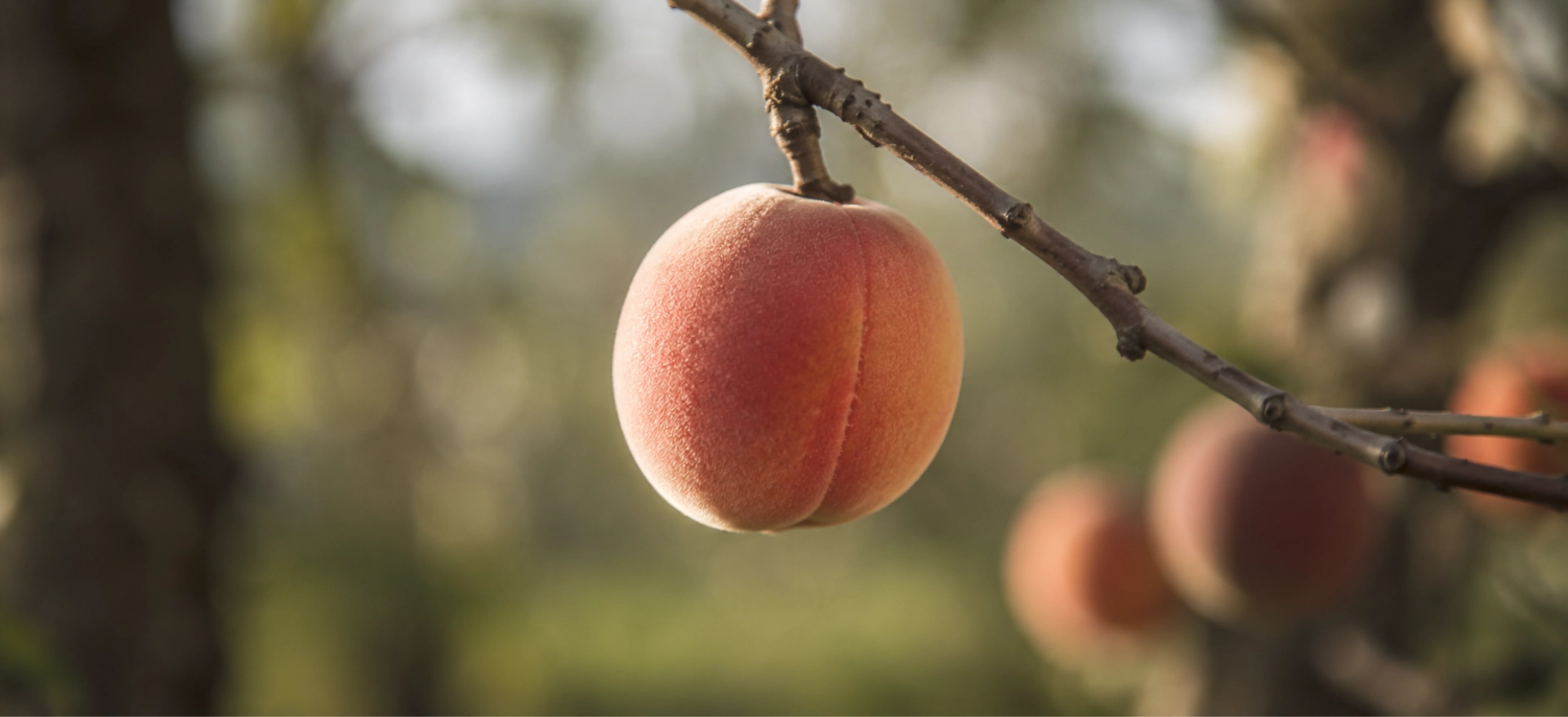
Stone Fruit
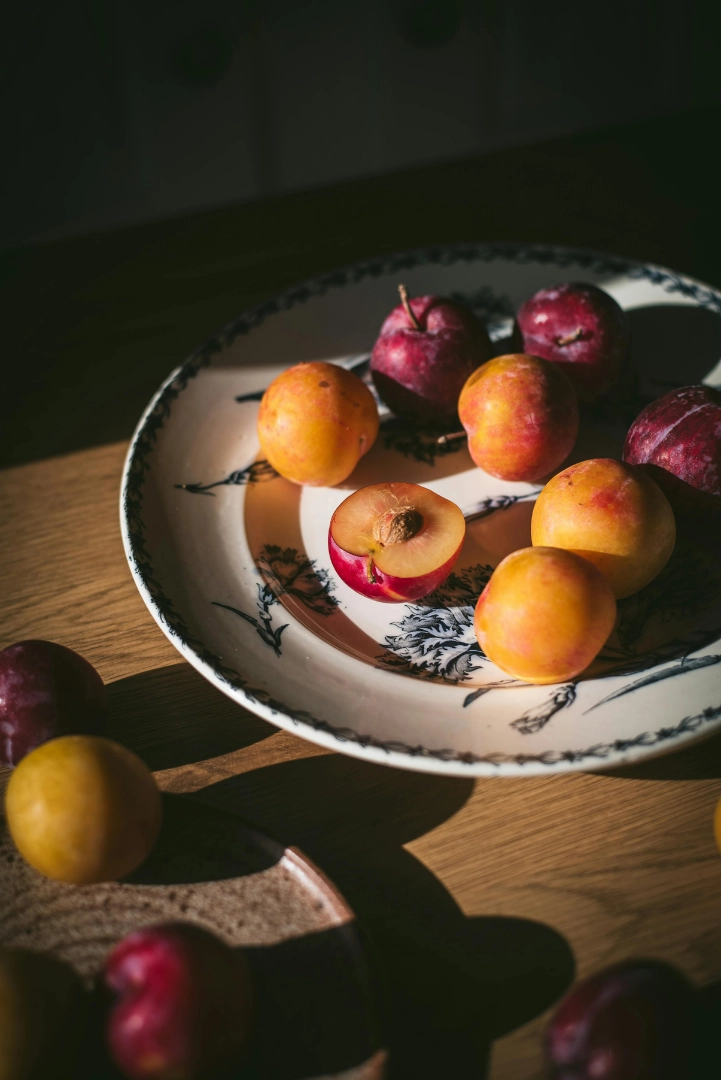
Heirloom peach and plum varieties that predate modern commercial cultivation. Small yields of intensely flavored fruit—the kind that must be eaten within days of harvest, impossible to transport, unforgettable on the palate. These inform our summer menu and preserve pantry.
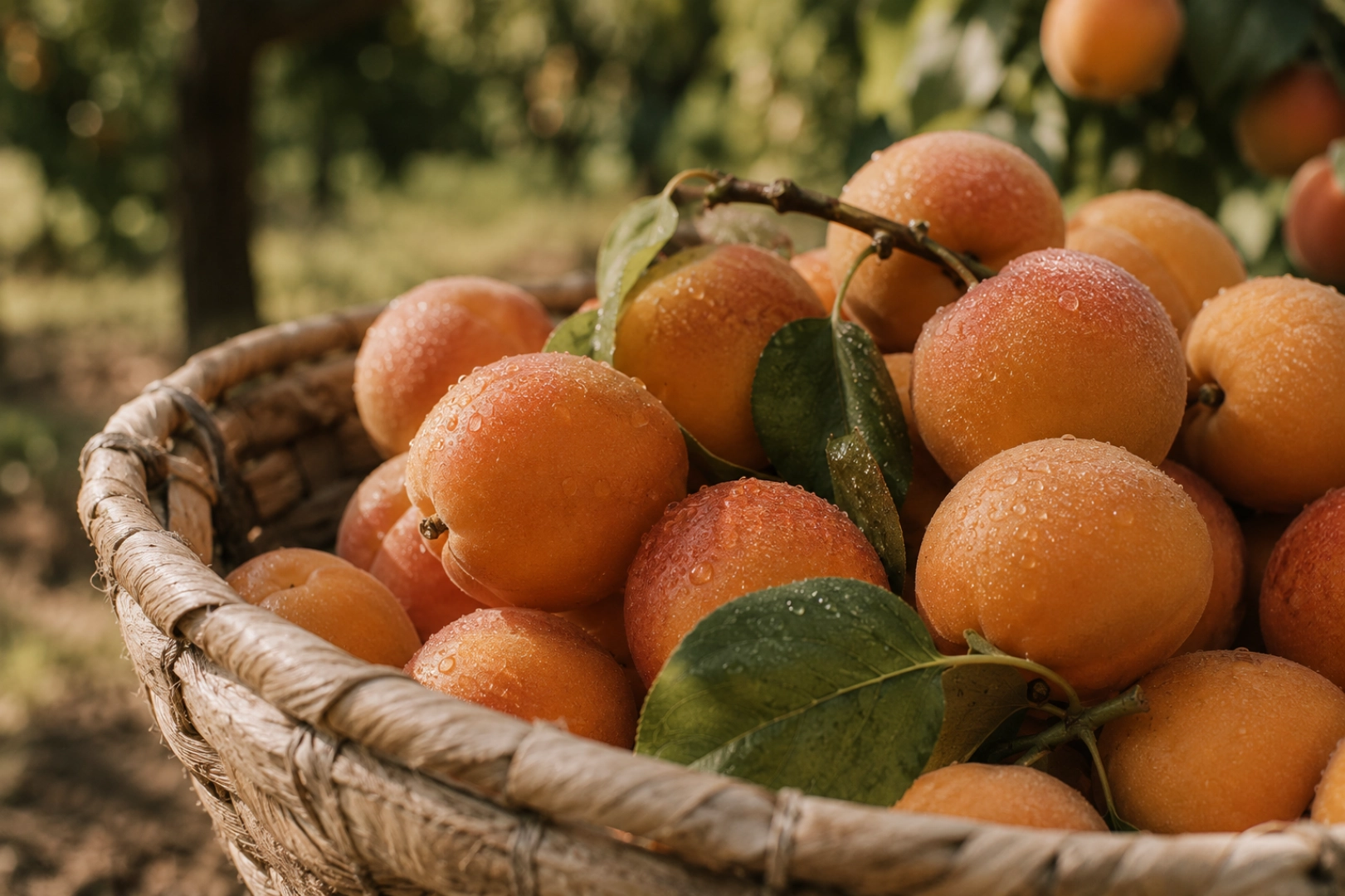
Apricot
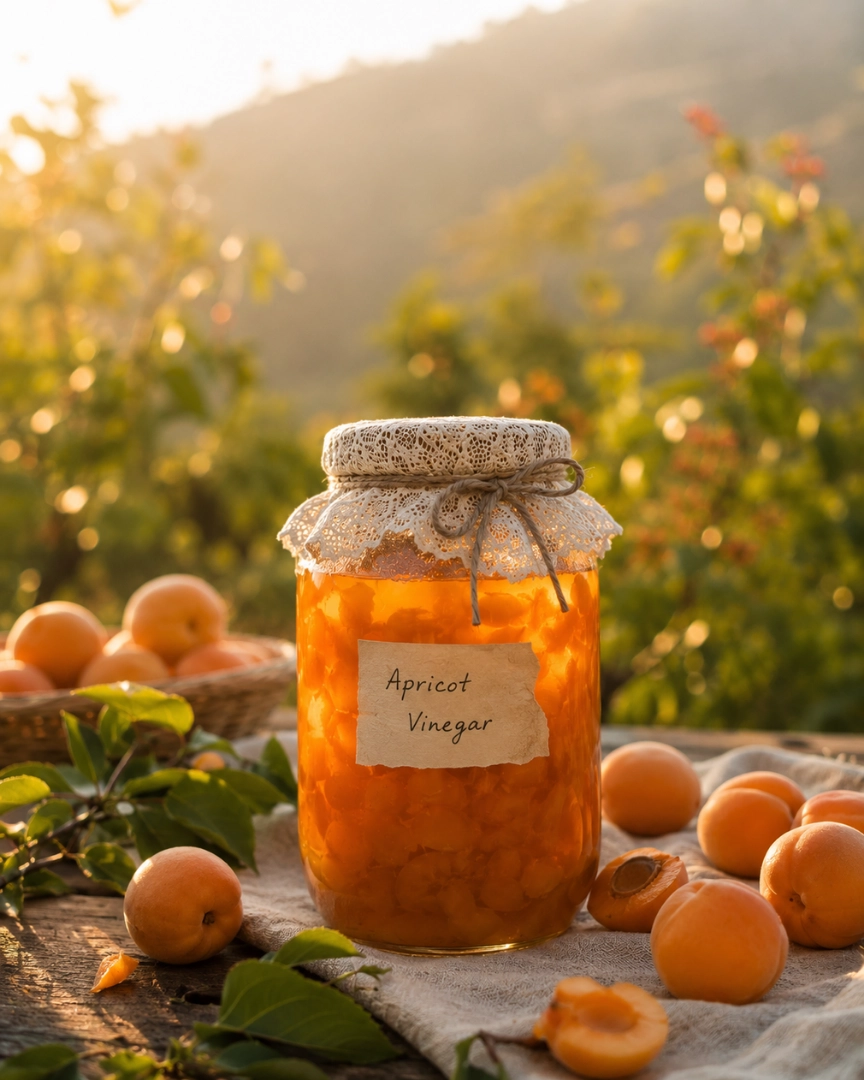
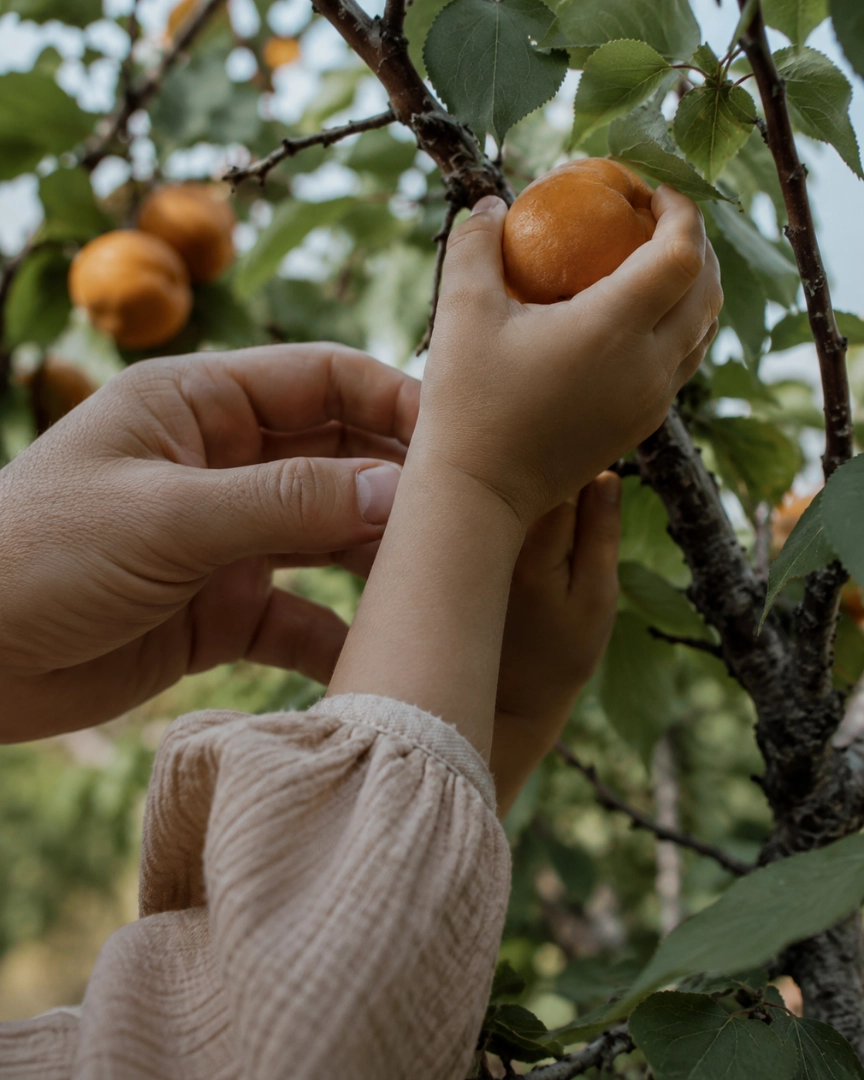
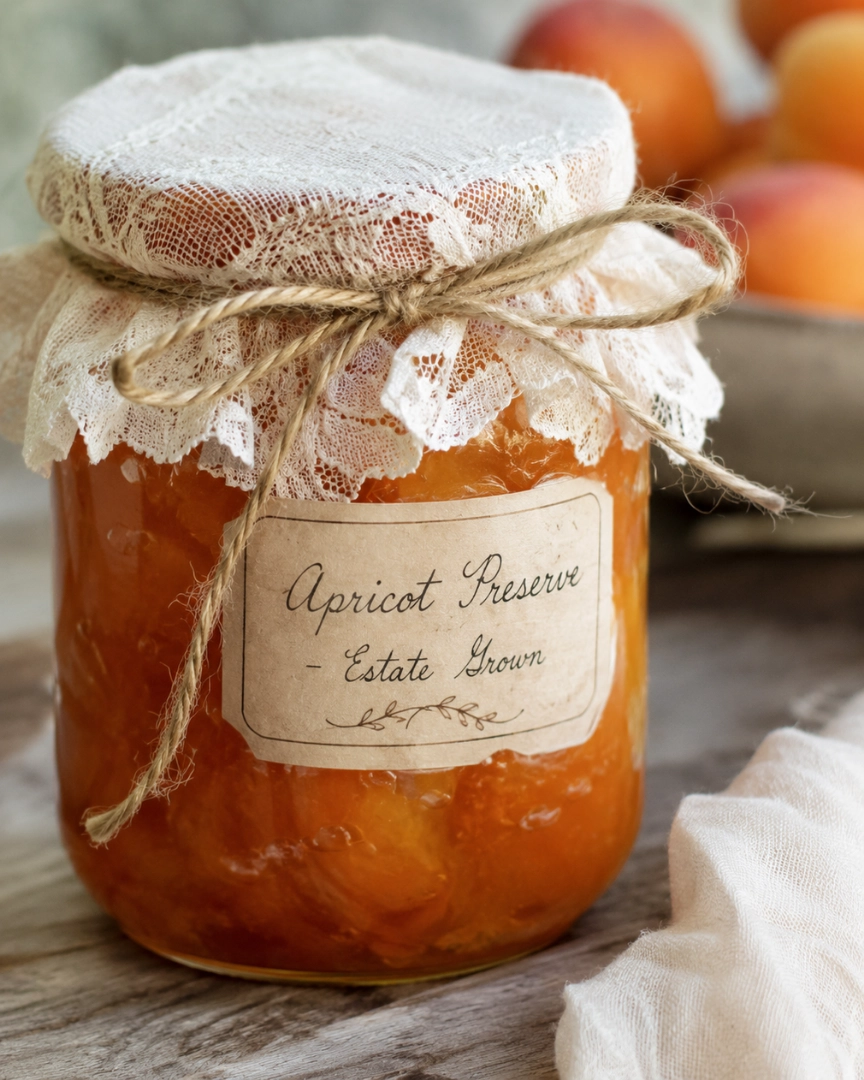
Wild apricot trees native to these hills, their fruit smaller and more intensely flavored than cultivated varieties. We dry some for winter use, preserve others in estate honey, serve fresh at breakfast during their brief season.
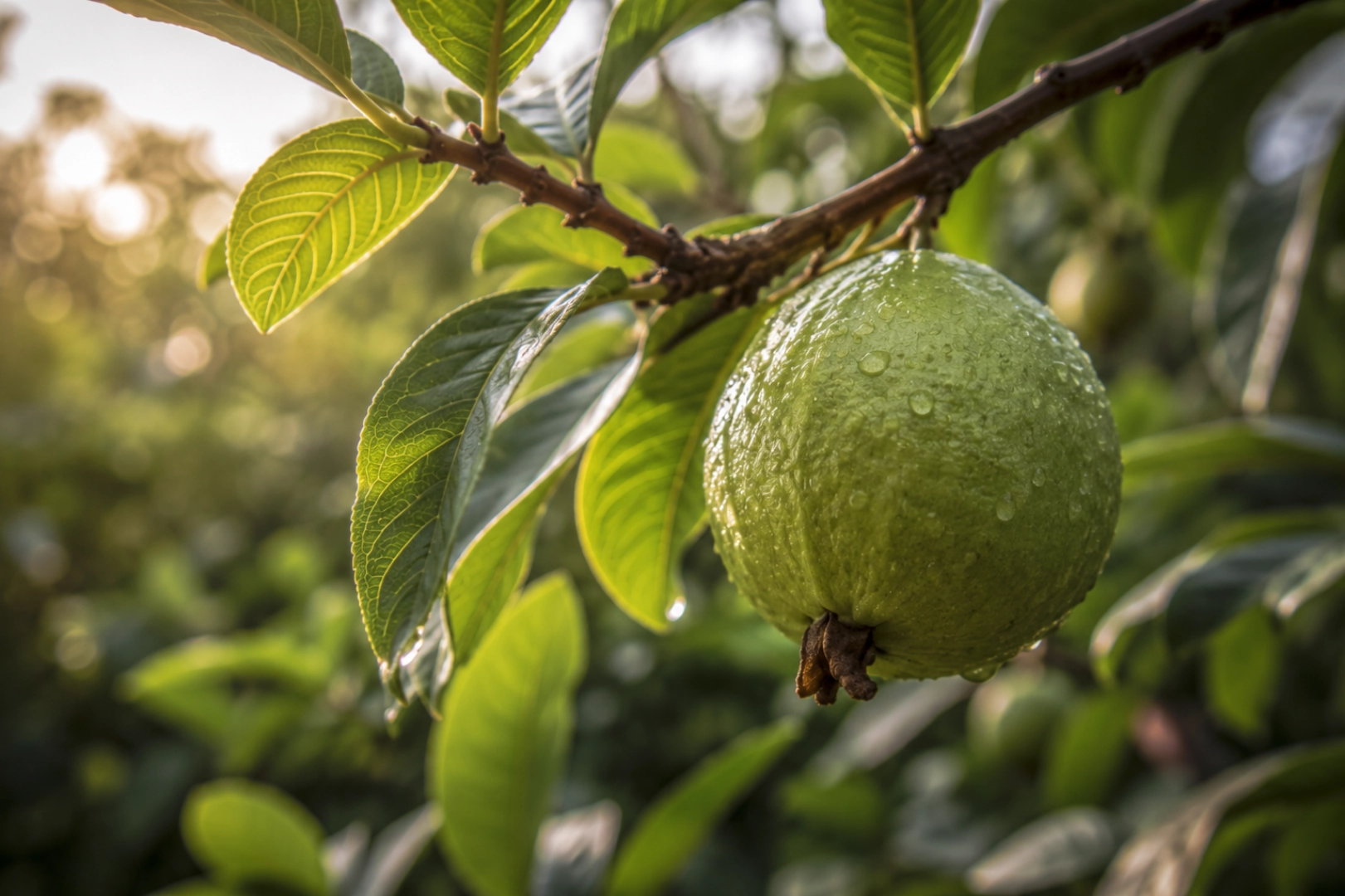
Guava
Winter’s gift. Pink-fleshed varieties that thrive in our microclimate, their aromatic perfume filling the orchard as temperatures drop. Essential to our autumn preserves and winter desserts.
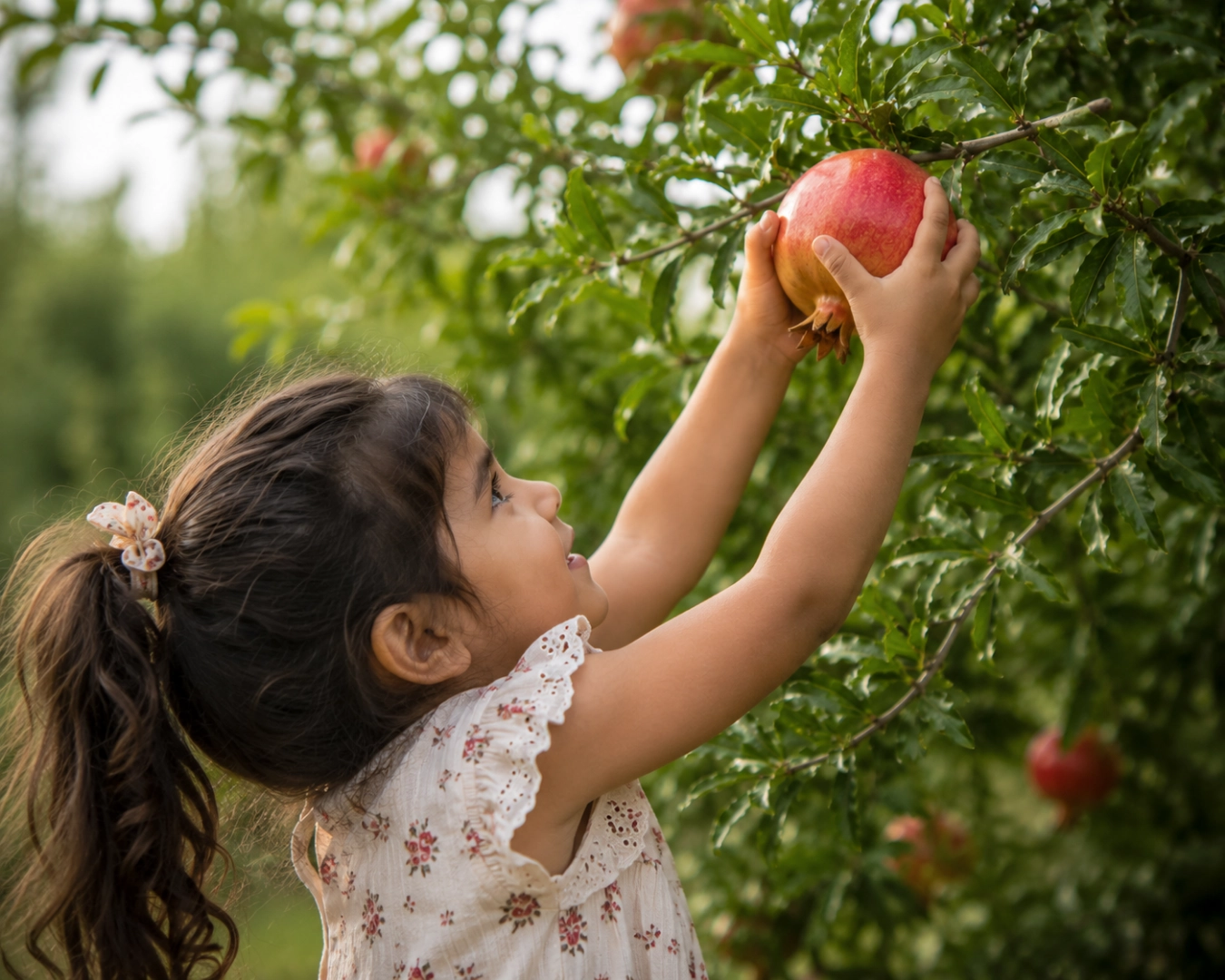
Pomegranate
Ruby-seeded abundance. Ancient symbol of prosperity that thrives in our well-drained slopes. We use the arils fresh, press some for juice, reduce others into molasses for winter cooking.
Experiencing the Vineyard
Guests at Raht Juneo are invited into the vineyard’s rhythm—not as spectators, but as participants in the season’s unfolding narrative.
Walk with our viticulturist through morning mist as she explains soil composition, vine training systems, the decisions that shape each vintage. During harvest season, join the picking crew at dawn. Taste fermenting must directly from barrel. Understand the gap between the wine in process and the wine in bottle.
"The vineyard offers no shortcuts, tolerates no carelessness, rewards only attention. It is the most honest teacher we have found."
Private tastings in the estate cellar introduce you to current releases alongside library wines, barrel samples, and experimental micro-lots. Our sommelier contextualizes each wine within the vintage’s weather, the vineyard’s evolution, the broader conversation of Indian viticulture.
This is not wine tourism. It is immersion in a working agricultural landscape where beauty and labor remain inseparable.